Mental Illness Doesn’t Just Hurt You. Here’s How It Hurts Everything Around You
This Is How It Starts: A Quiet Change That Hurts Everyone
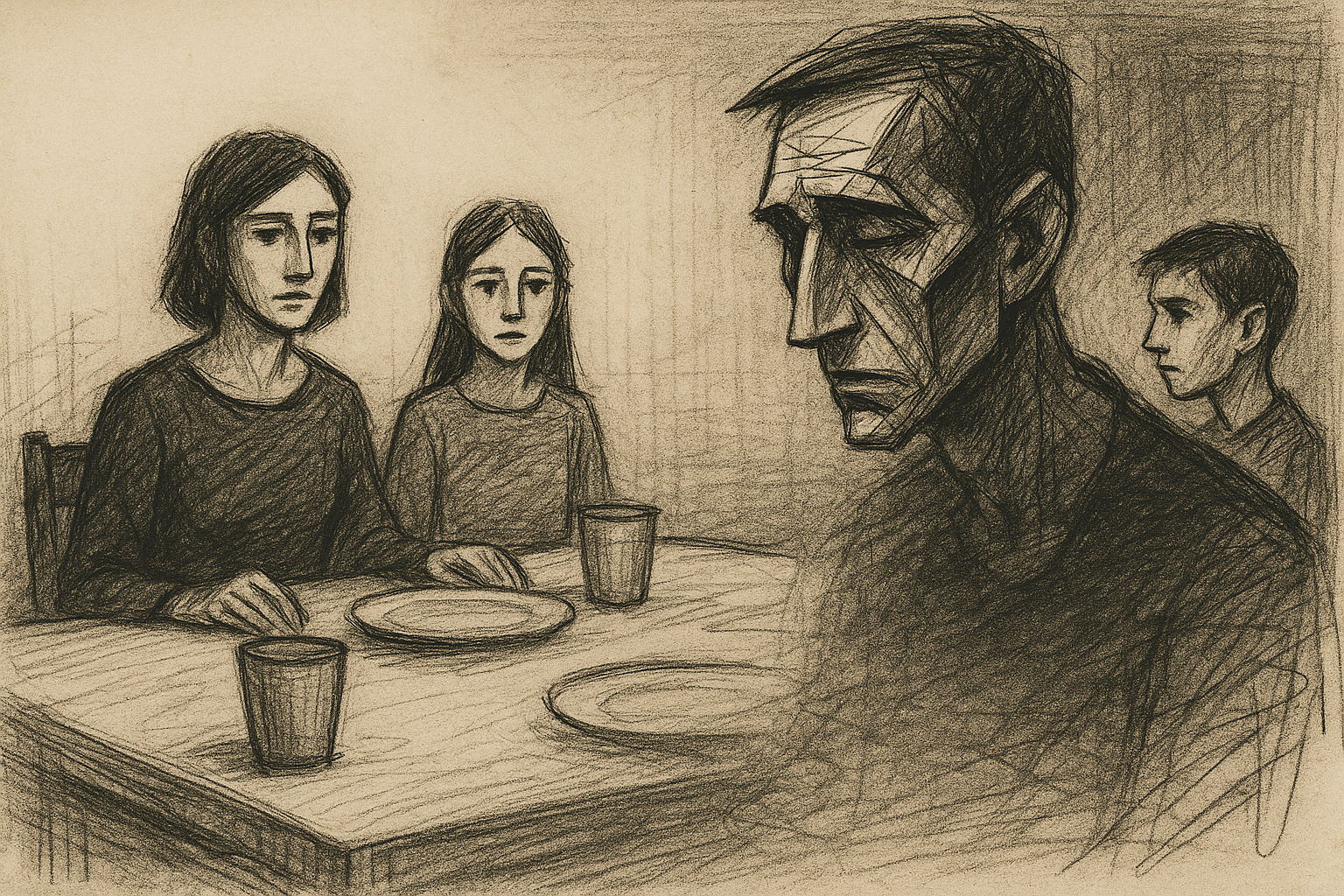
Shaun used to be the dependable one. Always the first to show up, the last to leave. He kept things steady — at work, at home, with his friends. But when depression set in, the quiet changes began. Missed calls. Forgotten plans. Snapping at his kids over nothing.
He thought staying quiet would protect everyone. That pulling away would keep the damage contained.
But it didn’t.
His wife said he felt like a ghost in the room. His son stopped asking him to play. His coworkers picked up the slack without saying a word — but the silence spoke volumes.
Shaun didn’t want to hurt anyone. He was just trying to survive.
If you’ve ever felt like your pain is spreading… You’re not alone. And you’re not beyond repair.
When Your Mental Health Impacts Your Family, Friends, and Job
Mental illness is often seen as a personal battle. Something you deal with in private. But the truth is, it rarely stays inside one person.
When you’re struggling, it can affect your whole world — your family, your partner, your kids, your work. You start missing calls. Cancelling plans. Snapping at people you love. And before you know it, your silence becomes someone else’s stress.
You’re not doing it on purpose. You’re just trying to cope. But even quiet pain has an impact.
The hardest part? Many people don’t realise it’s happening until relationships feel strained, or work starts to slip. Then comes the guilt. The shame. The fear that maybe you’re the one causing harm.
That feeling — like you’re falling apart and dragging others down with you — is what this post is here to help you understand. And slowly begin to heal.
The True Cost of Hidden Hurt
Mental illness doesn’t just stay in your mind. It changes how you show up — even when you don’t mean it to.
You might cancel plans because you’re too tired to pretend you’re okay. You might snap at your partner or kids because your nerves are shot. You might zone out at work and miss a deadline. And then you feel even worse.
One quiet struggle can turn into a chain reaction: Your partner feels shut out. Your child walks on eggshells. Your friends stop reaching out. Your team picks up the slack without saying a word.
None of this means you’re a bad person. It means you’re carrying too much, alone.
That’s what hurts most — not just the pain itself, but the fear that it’s hurting the people you love, too.
A Shift in Perspective
Shaun didn’t have a big breakthrough. There wasn’t one moment that fixed everything.
But one evening, after another quiet dinner where no one really talked, his son handed him a drawing. It was the two of them — one stick figure sitting, the other standing far away.
That image hit him hard. Not out of shame, but because he finally saw it: his silence wasn’t protecting his family. It was leaving them behind.
That night, Shaun didn’t give a speech or promise to “get better.” He just sat on the couch and said, “I’ve been really struggling. And I’m sorry I’ve pulled away.”
It was a small moment. But it opened a door.
Healing didn’t start with strength. It started with honesty.
Tiny Changes for Big Impact
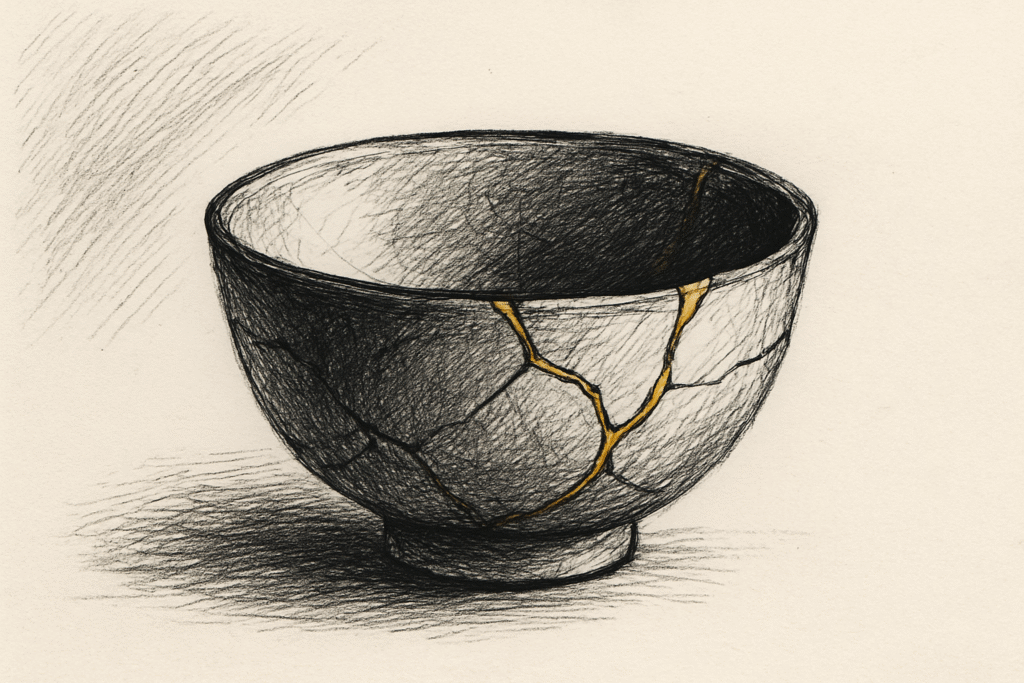
You don’t need to have it all together to start making small repairs. These steps won’t solve everything — but they can begin to ease the pressure.
1. Name What’s Happening (Out Loud)
Say something simple like:
“I’ve been struggling. I know it’s affected you, and I don’t want to stay silent anymore.”
It doesn’t need to be deep. It just needs to be honest. Even one sentence can reduce tension and rebuild connection.
2. Set One Tiny Boundary That Supports Your Energy
Mental illness makes everything feel heavy. Choose one part of your day where you create space:
→ “I won’t answer work emails after 6PM.”
→ “I need 15 minutes of quiet before dinner.”
Consistency is more powerful than perfection.
3. Give Your Loved Ones Something to Read or Watch
Sometimes it’s hard to explain what you’re going through.
Share a blog post, podcast, or video that says it for you.
It takes pressure off conversations and helps others better understand your experience.
4. Make One Repair — Even a Small One
Reach out to someone you may have pushed away.
You don’t need to explain everything. A message like,
“I miss you. I’ve been off lately, but I care,” can open the door again.
Hope in the Midst of Struggle
If you’ve been carrying guilt for how your pain has spilt into your life, you’re not alone. You’re not a bad parent, partner, friend, or coworker. You’re someone doing their best while hurting more than most people realise.
The fact that you care about the impact means something. It means you haven’t given up. It means you’re already trying.
You don’t have to fix everything today. You have to begin with one truth, one boundary, one repair.
That’s how healing spreads. Quietly. Slowly. Forward.
Let’s Start the Conversation
Take a moment to reflect: What’s one small repair you’d like to make — with yourself or someone you care about?
If this post helped you feel seen, share it with someone who might need the same reminder. And if you’re ready, leave a comment below. Your story might help someone else feel less alone.
You’re not the only one feeling this way. And you don’t have to carry it alone anymore.