The Most Painful Part of Healing: Letting Go of the Old You — It’s Not a Break. It’s a Shift
How Introspection Shattered Me and Set Me Free.
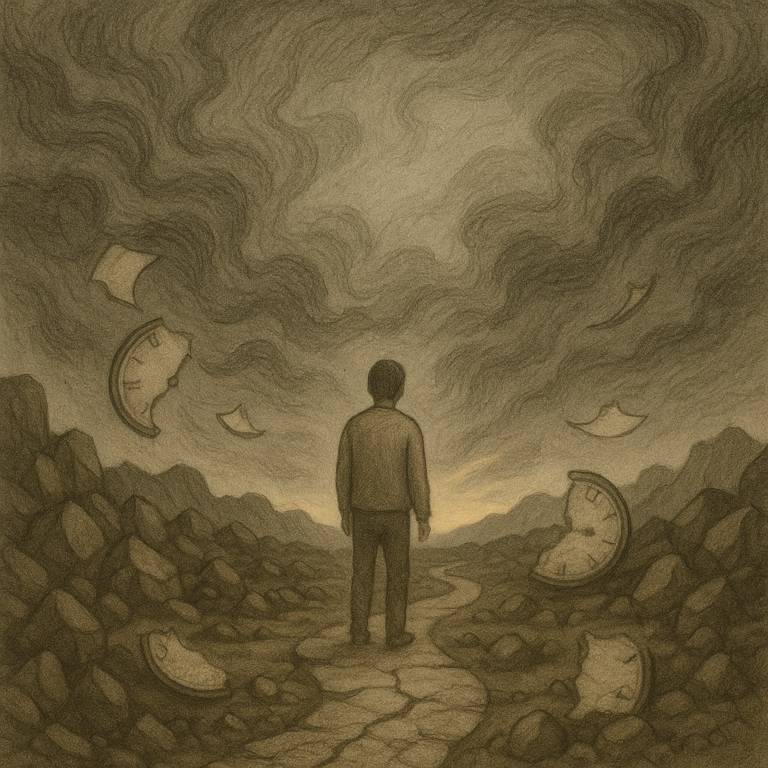
The Day I Felt Like a Stranger to Myself
I woke up that morning with a strange kind of stillness. Not peace—something emptier.
The routine was the same. Coffee. Silence. The weight behind my eyes. But something had shifted.
I couldn’t remember what I was supposed to care about. I couldn’t feel much of anything.
No anger. No clarity. Just the sense that I was floating slightly behind my own life.
I looked in the mirror and saw someone I couldn’t name.
The words I once used to describe myself—helper, survivor, achiever—felt thin. Outdated.
There was no crisis. No dramatic moment. Just a quiet erosion of identity I couldn’t explain.
For a while, I thought I was breaking down.
But something else was happening—something I didn’t have the language for then.
I was being stripped of who I wasn’t.
And what came next would change everything
What Happens When the Identity You Built No Longer Fits
There comes a moment in healing when you look at your life—and yourself—and don’t recognise what’s staring back.
The roles you played. The mask you wore. The story you told yourself to survive—it all starts to crumble.
This is what many describe as ego death.
But it’s not mystical or abstract. It’s deeply personal.
It feels like grief without a funeral. Like waking up inside a stranger’s skin.
You might catch yourself thinking:
“Why do I feel like I don’t exist anymore?”
This loss of identity can be triggered by moments that change your place in the world:
- Walking away from a toxic relationship
- No longer being someone’s partner, caregiver, or anchor
- Surviving trauma, grief, or addiction—and realising you don’t know who you are without the pain
It’s terrifying.
Not because you’ve changed—but because the version of you that held everything together is gone.
And what’s left hasn’t introduced itself
Why It Hurts: The Quiet Collapse You Can’t Explain
Losing your sense of self doesn’t always look dramatic.
Sometimes it’s missing your own reactions. Forgetting what you like. Saying “I don’t know” to questions you used to answer with certainty.
It can feel like you’re watching your life happen from the outside.
You go to work. You answer messages. You smile when you’re supposed to.
But something feels off—like you’re mimicking who you used to be.
You might pull away from people, not because you don’t care, but because you don’t know how to show up as yourselfanymore.
Conversations feel hollow. Decisions feel heavy.
Even joy feels distant, like it belongs to someone else.
It’s not depression.
It’s not burnout.
It’s the disorientation that comes from becoming someone new—and not having the words for it yet.
This isn’t failure.
It’s what happens when healing begins to rearrange the foundation, not just the surface
Rebirth Isn’t a Return. It’s a Reveal.
It didn’t happen all at once.
But one day, I stopped mourning the version of me I thought I’d lost—and started noticing the quiet relief in her absence.
The overexplainer.
The fixer.
The one who held everything together to stay loved.
Gone.
And in the silence that followed, something softer arrived.
“I realised I wasn’t losing myself—I was unlearning everything I was taught to be.”
This is what gentle ego death feels like.
Not destruction. Not crisis.
A loosening. A release. A quiet making of space.
In Jungian terms, it’s a psychic death—the moment when your false self falls away.
In modern therapy (like ACT), it’s called self-as-context: the idea that *you are not your thoughts, your past, or your pain.*You are the awareness behind it all.
You’re not rebuilding the old you.
You’re revealing someone you were always allowed to be—beneath the roles, beyond the survival
How to Rebuild Yourself When You’ve Fallen Apart
When your identity collapses, it can feel like there’s nothing left to hold onto.
But this isn’t the end. It’s the beginning of living without the armour.
Here are five gentle practices to help you rebuild from the inside out:
1. Name What’s Dying
The first step is to notice what’s falling away.
What roles, beliefs, or expectations no longer feel true?
✍️ Journal prompt: “What parts of me feel like performance instead of truth?”
🧠 Affirmation: “It’s okay to outgrow the version of me that survived.”
2. Practice Mindful Observation
Your thoughts aren’t facts. They’re just passing weather.
🌀 Try this defusion phrase (from ACT):
“I’m having the thought that I’m worthless”
— not “I am worthless.”
🧘♀️ Start with 10 minutes of mindful breathing.
Let the thoughts come. Watch them go.
3. Reconnect With What Matters
Instead of asking, “Who am I now?”
Try: “What do I care about when no one’s watching?”
💬 Use a values card sort or list to reconnect with what’s real for you — beyond the roles, beyond the noise.
4. Quiet the Inner Critic
That harsh voice in your head? It was built to protect you.
🧩 Try this IFS-inspired dialogue:
“Thank you for trying to keep me safe. But you don’t have to drive anymore.”
Speak to yourself like someone you’re learning to trust.
5. Choose Support That Honours Your Transformation
Find spaces that make room for your becoming — not just your recovery.
🧠 Therapies to explore:
- IFS (Internal Family Systems)
- ACT (Acceptance & Commitment Therapy)
📚 Readings that help loosen identity:
Eckhart Tolle, Pema Chödrön, Tara Brach
Or ancient wisdom that reminds you:
You are not your labels. You are awareness.
You Are Not Your Ruins — You Are the Rebuilder
If you feel like you’ve lost everything,
maybe you’ve just lost what was never truly yours.
The roles. The masks. The performance.
You’re not broken.
You’re not failing.
You’re not crazy for not recognising yourself.
You’re changing.
And change always feels disorienting at first.
Ego death isn’t the end of you.
It’s like removing a cast after the bone has healed.
You’re stiff. Tender. Unsure of how to move.
But slowly, you remember how to stand—without the brace, without the weight.
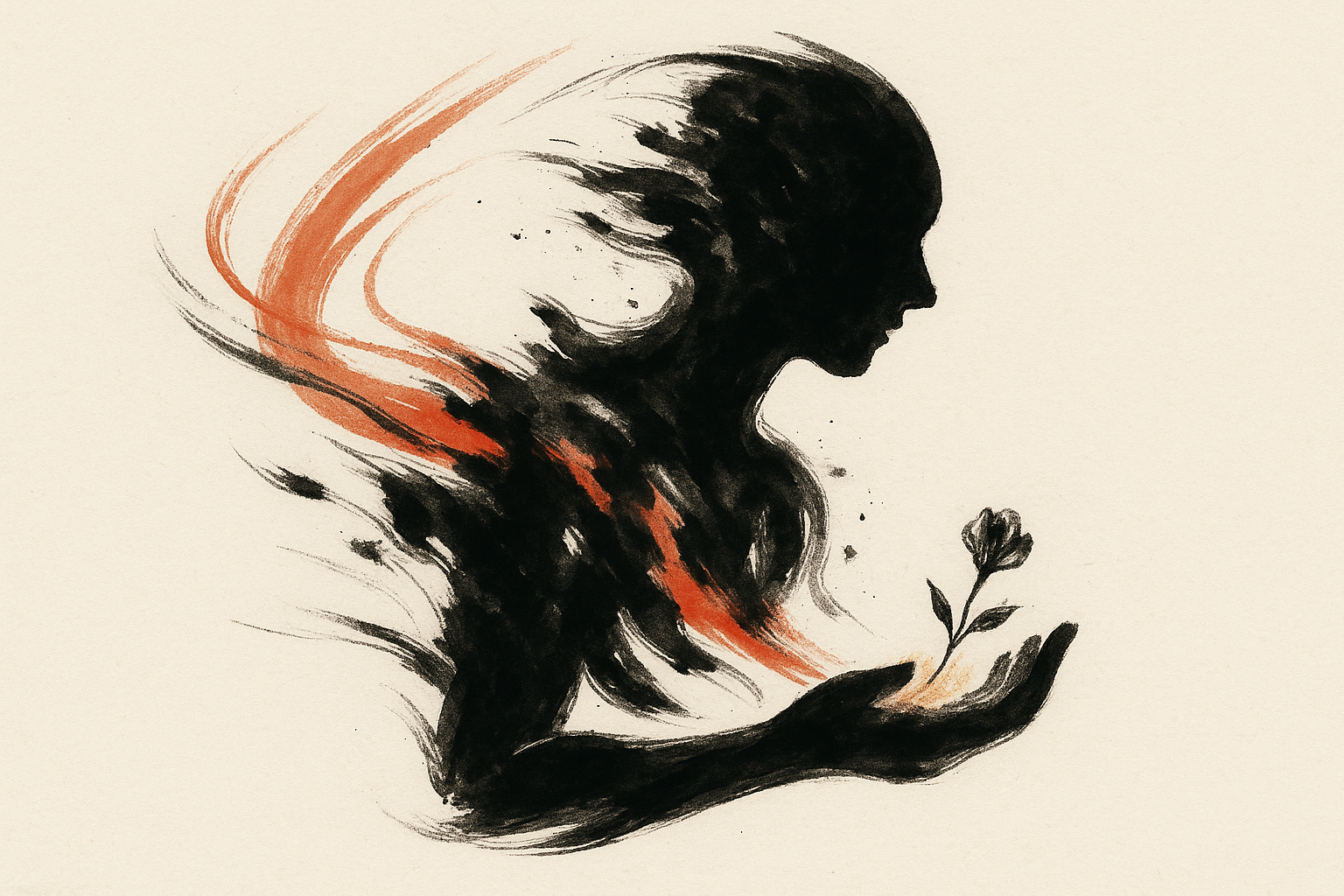
“Your real self isn’t gone. It’s beneath the rubble, waiting.”
You don’t have to rush into clarity.
You just have to trust that your becoming is already underway.
Piece by piece, breath by breath, you are learning how to rebuild—not who you should be, but who you already are
Ready To Begin Again, Gently?
When I let go of the self I had spent years performing, I was terrified.
Terrified there’d be nothing left.
No anchor. No clarity. No “me.”
But in the stillness that followed, something unexpected arrived—
not answers, but space.
Not identity, but presence.
Ego death isn’t destruction.
It’s the quiet permission to become.
To remember who you were before the world told you who to be.
To soften into the self that doesn’t need to prove anything.
If you’re in that in-between space—raw, uncertain, unrecognizable—
don’t rush.
Don’t perform.
Don’t fill the silence.
Just breathe.
Just be.
Let the unraveling make room for something honest.
Start here—with rest, reflection, and the smallest return to yourself.
📥 Download the Quiet Mind Toolkit
📩 Share this with someone still standing in the rubble, wondering if this is the end.
It’s not.
It’s the opening