Why Real Strength Is What You Survive, Not What You Hide
What Do Your Scars Really Mean?
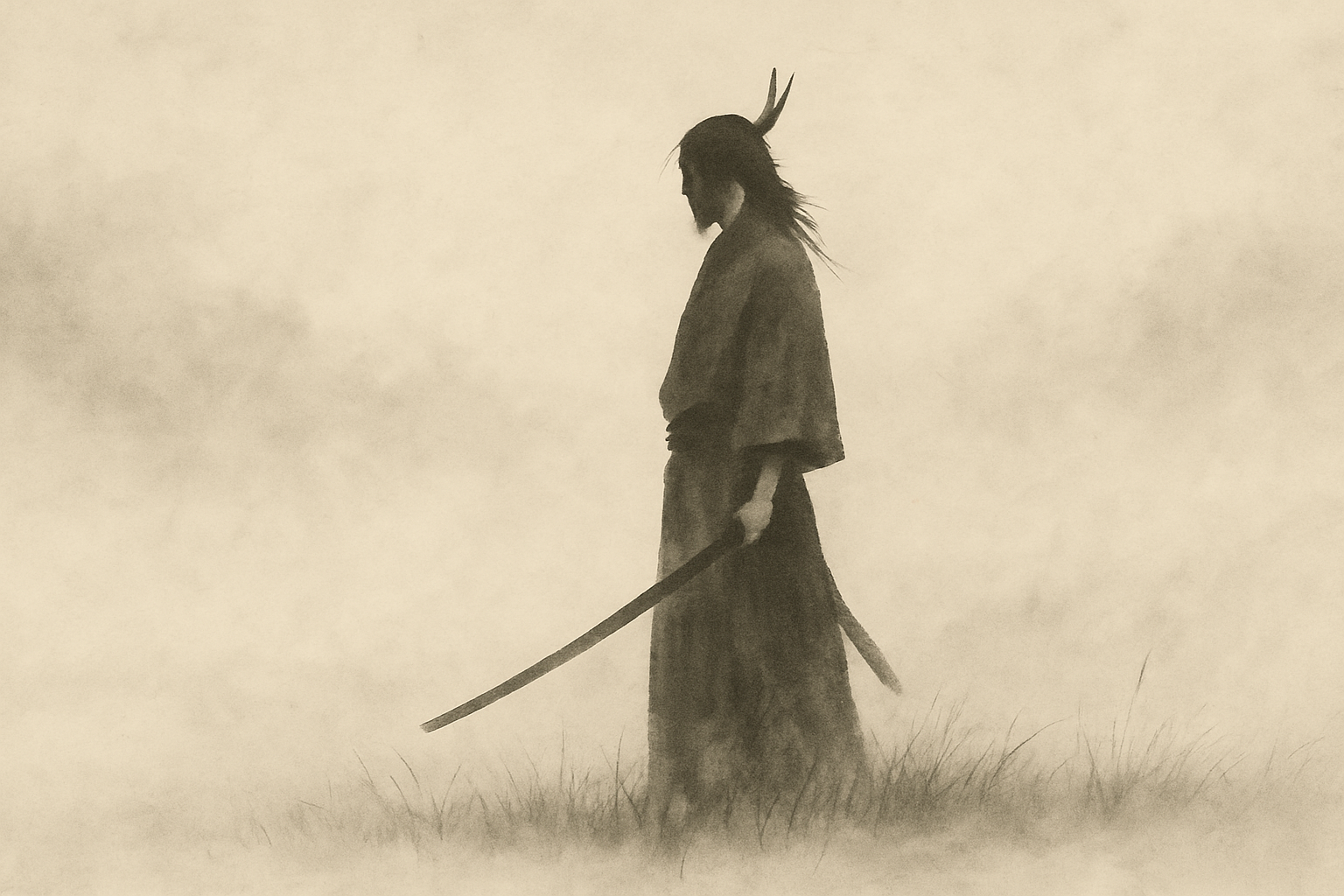
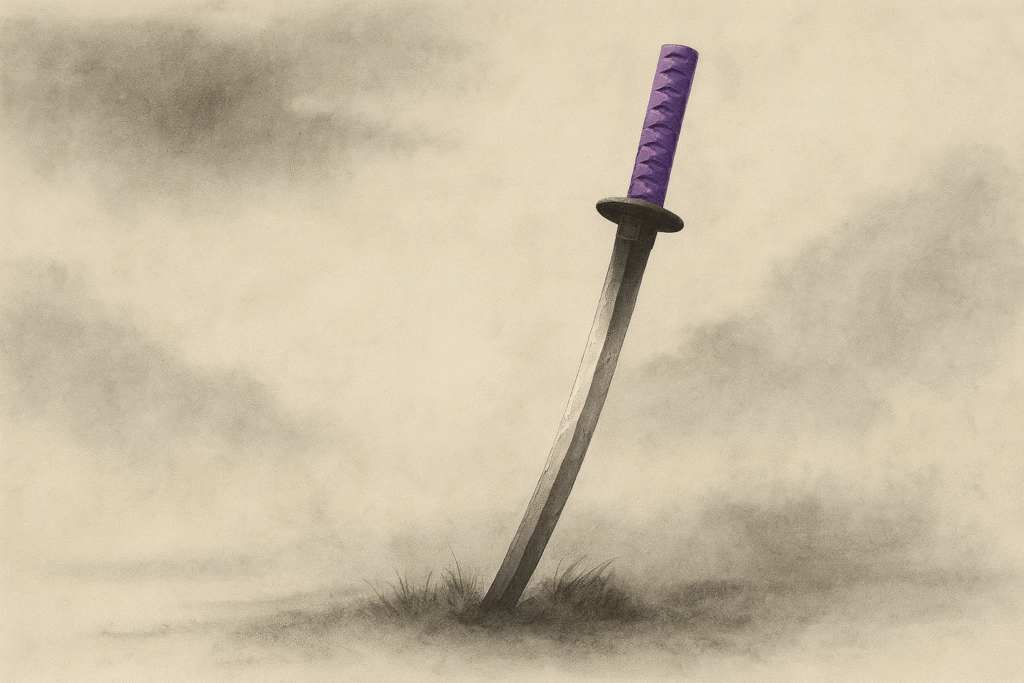
A sword, scarred from countless battles, still gleams. Its strength isn’t in its flawless edge, but in the scars that prove it has endured.
Like that blade, you carry scars — visible or invisible. The question is: do they weaken you, or have they already proven your strength?
David had always been the dependable one — the colleague who stayed late, the friend who carried everyone else’s weight. When his company downsized, he told himself he’d bounce back quickly. Instead, he felt hollow. Each rejection email chipped away at his confidence. He plastered on smiles, but inside, he wondered if he had already failed. One evening, sorting through old boxes, he found the journal he kept during his father’s illness years ago. The pages were raw with grief and exhaustion, yet every entry proved he had endured something far greater than this moment. The scars of that season hadn’t weakened him; they had taught him how to survive.
This post will explore how scars, tested strength, and ancient wisdom can reshape how we see resilience.
Resilience or Just Toughness?
So many of us have been taught to wear toughness like armor. At work, it looks like pushing through burnout and calling it “resilience.” In caregiving, it looks like giving until there’s nothing left of ourselves. For perfectionists, it means hiding every crack, convinced that scars equal weakness. Even seekers of wisdom often get stuck in theory without practice. And for those who hope to help others, the fear is always the same: if I show my scars, will it undo me?
The core problem is that we confuse tested strength with unearned confidence. Real resilience is quiet, tempered through pain and reflection. False toughness is brittle—it hides the wound, pretends nothing is wrong, and eventually breaks under pressure. Many of us aren’t weak; we’re just carrying the wrong definition of strength.
The Hidden Cost of False Strength
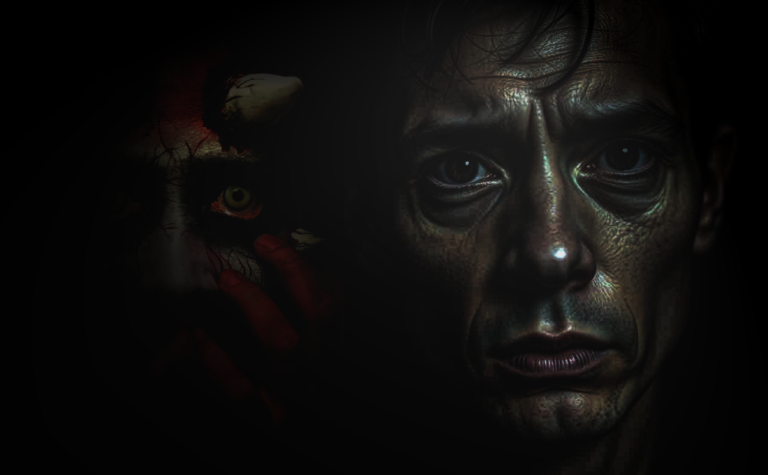
When we confuse toughness with resilience, the cracks show up quietly. On the surface, we keep going — showing up at work, caring for others, trying to hold everything together. But inside, the cost builds. Suppressing pain often creates shame: “If I were truly strong, I wouldn’t feel this way.”
Psychologists like Steve Magness point out that this false bravado isn’t real strength at all. It pushes people to ignore exhaustion, deny emotions, and pretend everything is fine. Over time, that leads to stress, anxiety, and an identity that feels fragile rather than steady. Relationships strain because loved ones see the mask but not the truth beneath it.
Culturally, we even reward this performance — the colleague who never rests, the caregiver who “never complains.” Yet untreated wounds don’t disappear; they fester. Just like a blade left unpolished begins to rust, a life built only on appearances becomes brittle. Real resilience, by contrast, comes from facing the wound, not hiding it.
From Scars to Strength: 5 Practices
- Name Your Scars (Journaling Practice)
- Why it works: Naming experiences reduces their emotional intensity (psychology calls this affect labeling).
- Try this: Write down three scars — physical, emotional, or situational. For each, ask:
- What did this teach me?
- What did it cost me?
- What strength did I prove in surviving it?
- Spot False Toughness
- Why it works: Research on toxic resilience shows ignoring emotions increases stress and worsens recovery.
- Try this: Use a checklist to catch false toughness:
- Am I pretending I’m fine?
- Am I pushing through exhaustion without pause?
- Am I refusing help I actually need?
- Replace with resilience practices: pausing, asking for support, pacing your energy.
- Kintsugi Mindset
- Why it works: The kintsugi metaphor is used in therapy to reframe flaws as growth.
- Try this: Pick one perceived flaw (e.g., anxiety, a scar, or a past failure). Reframe it as a golden seam: not something to hide, but a mark of survival. Write one sentence beginning with: “Because of this scar, I can…”
- Adopt a Warrior Archetype
- Why it works: Jungian psychology shows archetypes help people frame struggle as meaningful.
- Try this: Reflect: Do you feel closer to Chiron (wounded healer), Hephaestus (strength from exile), or Odin (sacrifice for wisdom)? Ask: “What wisdom do my scars make me uniquely able to share?”
- Quiet Confidence Ritual
- Why it works: Breathing practices lower cortisol and reduce anxiety before challenges.
- Try this: Before a stressful event, breathe deeply 3 times and whisper: “I’ve survived worse. I am tempered.” Focus on the action ahead, not appearances.
Your Scars Are Not Your Shame
If you’ve been taught to hide your struggles, remember this: scars are not signs of failure — they are the living proof that you’ve endured. Real strength doesn’t shout or pretend; it’s quiet, steady, and born of experience. The cracks you carry are not flaws to cover up, but seams that make you unique, like gold running through kintsugi pottery or a blade that gleams even after battle. You don’t need to erase your scars to be whole. You need only to see them for what they are — evidence that you survived, and that survival has already made you strong.
If you’re ready to take the next step, this is where reflection can turn into daily practice:
- Download The Scarred Blade Toolkit — a collection of 10 journaling prompts and micro-practices to help you reframe scars into strength.