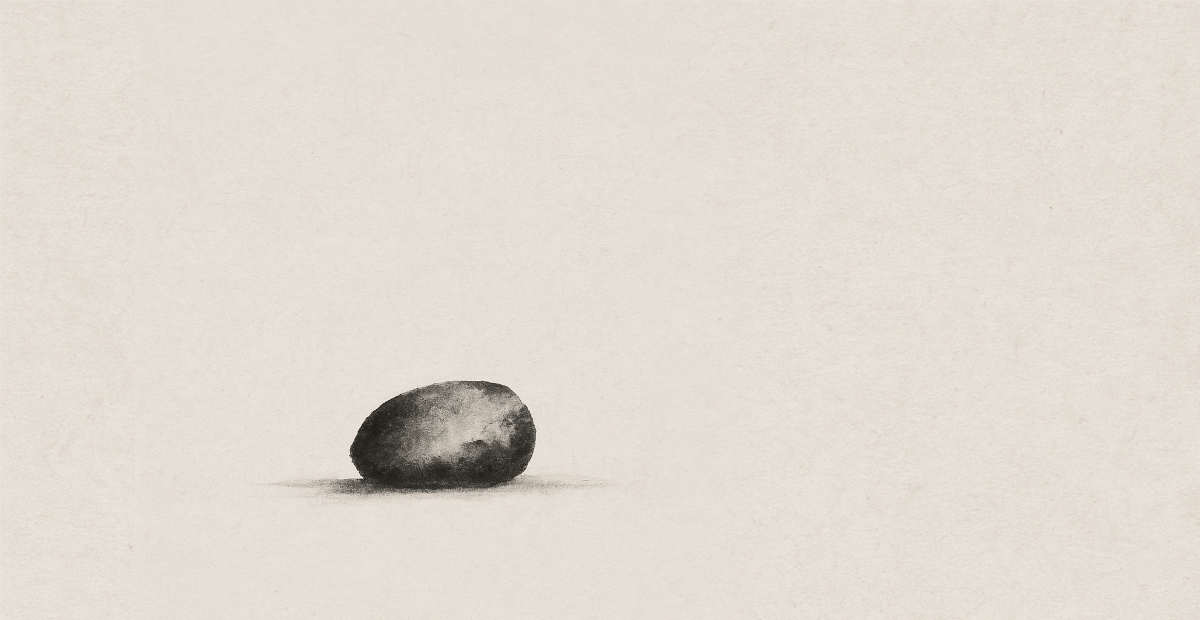
Is Change a Subtle Death? The Grief We Don’t Name
Not the dramatic kind, the subtle one that happens quietly, beneath the life you’re still trying to hold together.
There are moments where nothing around you moves, yet something inside you has already shifted.
The room is the same.
Your routine repeats itself.
Your days look familiar from the outside.
But the air feels different, and you don’t know why.
It’s a faint pressure, a small tightening just beneath the ribs.
The kind of signal you dismiss at first because it feels too slight, too shapeless, to call anything true.
But the body reacts before the mind knows what it’s reacting to.
It recognises the absence before you recognise the loss.
Some shifts don’t begin with endings.
They begin with something missing.
You think grief belongs to obvious events —
a breakup, a death, a dramatic collapse.
But the deepest grief arrives in quieter ways:
when the person you’ve been can’t meet the life you’re walking into.
When the familiar shape of your identity no longer stretches far enough to cover who you’re becoming.
The world hasn’t changed.
But the self you carried is thinning, loosening, refusing to hold the line it once did.
That is its own kind of dying.
Identity tries to stay loyal to an old version of you.
It keeps repeating what once worked.
It tries to stabilise the ground even as something beneath it is already giving way.
And before you understand what’s happening, your body knows.
It feels the rupture.
It senses the split between who you were and who you can no longer pretend to be.
It knows when the old self is reaching its limit.
You’re not mourning an event.
You’re mourning the one who could still function inside the older life.
And some part of you understands — even if you’re not ready to name it — that not every version of you will survive the shift you’re entering.
This is where the rubble begins.
People imagine “rubble” as destruction.
But often, it’s simply what remains when false structures fall away:
the outdated roles, the performances you outgrew,
the identities you held long after their meaning emptied out.
Standing in this rubble is unsettling, not because you are alone,
but because everything left in front of you demands honesty.
Old choices you avoided.
Quiet failures you carried.
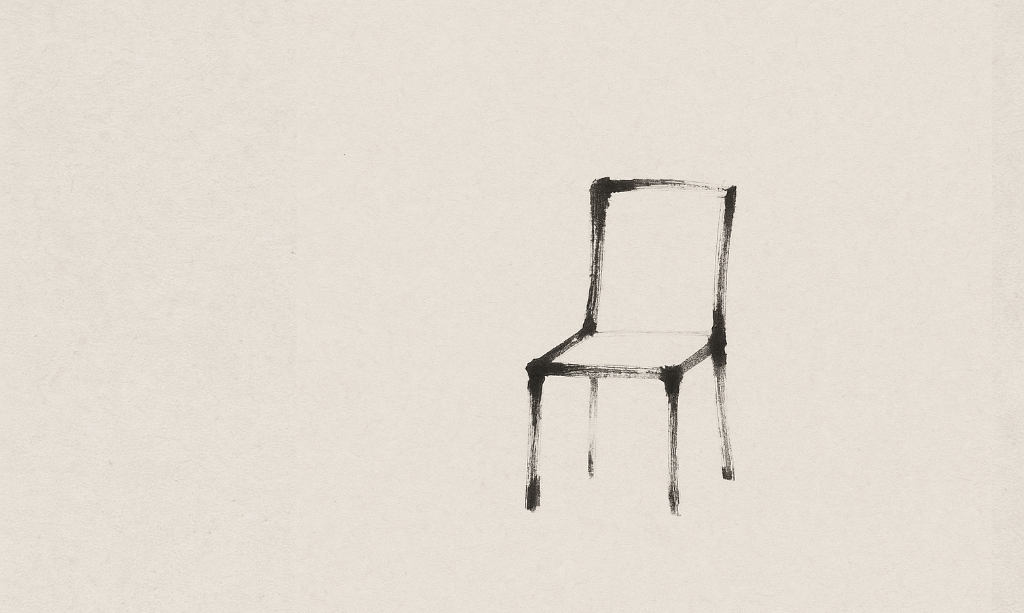
The versions of yourself you kept alive out of duty.
None of these collapses noisily.
They erode.
They thin out.
They dissolve long before you admit they’re gone.
When you refuse to acknowledge what has died, you pay for it.
You drag old selves into new situations.
You keep identities on life support because you fear what happens if you stop performing them.
You continue roles that hollow you because letting them go feels like failure.
But the life you’re dragging forward stops matching the life you’re trying to enter.
When you don’t name what’s ended, you carry its residue everywhere.
The past becomes a weight you mistake for personality.
Eventually, the truth waits for you.
It doesn’t push.
It doesn’t announce anything.
It simply stands there until you’re forced to see which version of yourself you’ve been propping up.
The one who endured everything.
The one who called self-denial strength.
The one who stayed out of guilt.
The one who kept the structure standing because no one else would.
Not all of them can follow you.
Some were never meant to.
There is no glory in releasing them.
No triumph, no sense of renewal.
Just space — the kind that feels both unsettling and necessary.
When an old self dissolves, something quieter begins to gather.
Not clarity.
Not direction.
Just room.
Solitude stops feeling like a warning.
Silence stops feeling like failure.
A new shape begins forming around you — one that isn’t inherited, driven, or performed.
There is no celebration here.
Only recognition.
Which brings us back to the question:
Is change a subtle death?
Yes — but only of what can’t continue.
Grief doesn’t take what’s vital.
It takes what is already failing to hold.
The versions of you that collapse are the ones that cannot survive the life you’re stepping into.
What remains is whatever still has the strength to stay.
If you’re somewhere inside that quiet dismantling —
you are not the only one walking through it.