Infidelity Affecting the Whole Family? Here’s How To Heal After Betrayal
Infidelity impacts more than just the couple—it shakes the entire family. Learn how to cope, support your children, and begin the healing process together.
When Betrayal Affects the Whole Family
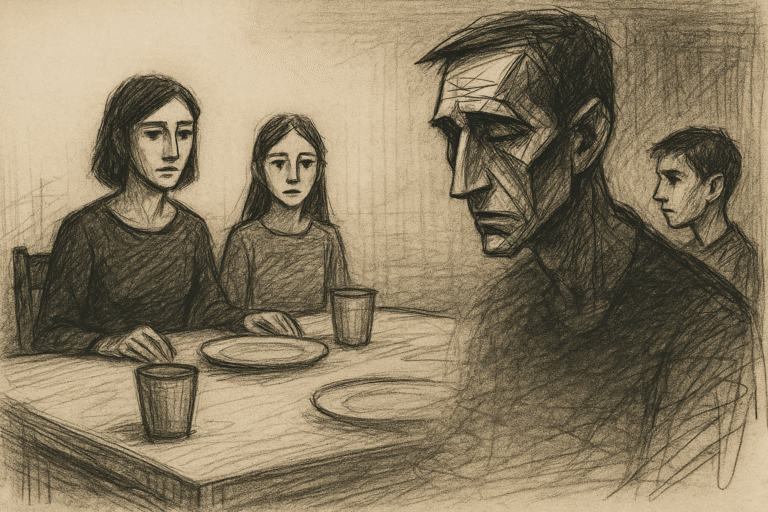
Emma found out about the affair by accident—a text that wasn’t meant for her. In an instant, her world collapsed. She was devastated, confused, and full of questions. But what hurt even more than the betrayal was watching her children sense something was wrong. Her 7-year-old son started acting out at school. Her daughter clung to her constantly. The home they had built, once filled with warmth and routine, now felt cold and fragile. Emma wasn’t just grieving the loss of trust—she was trying to hold the entire family together while barely staying afloat herself.
Why Infidelity Hurts More Than Two People
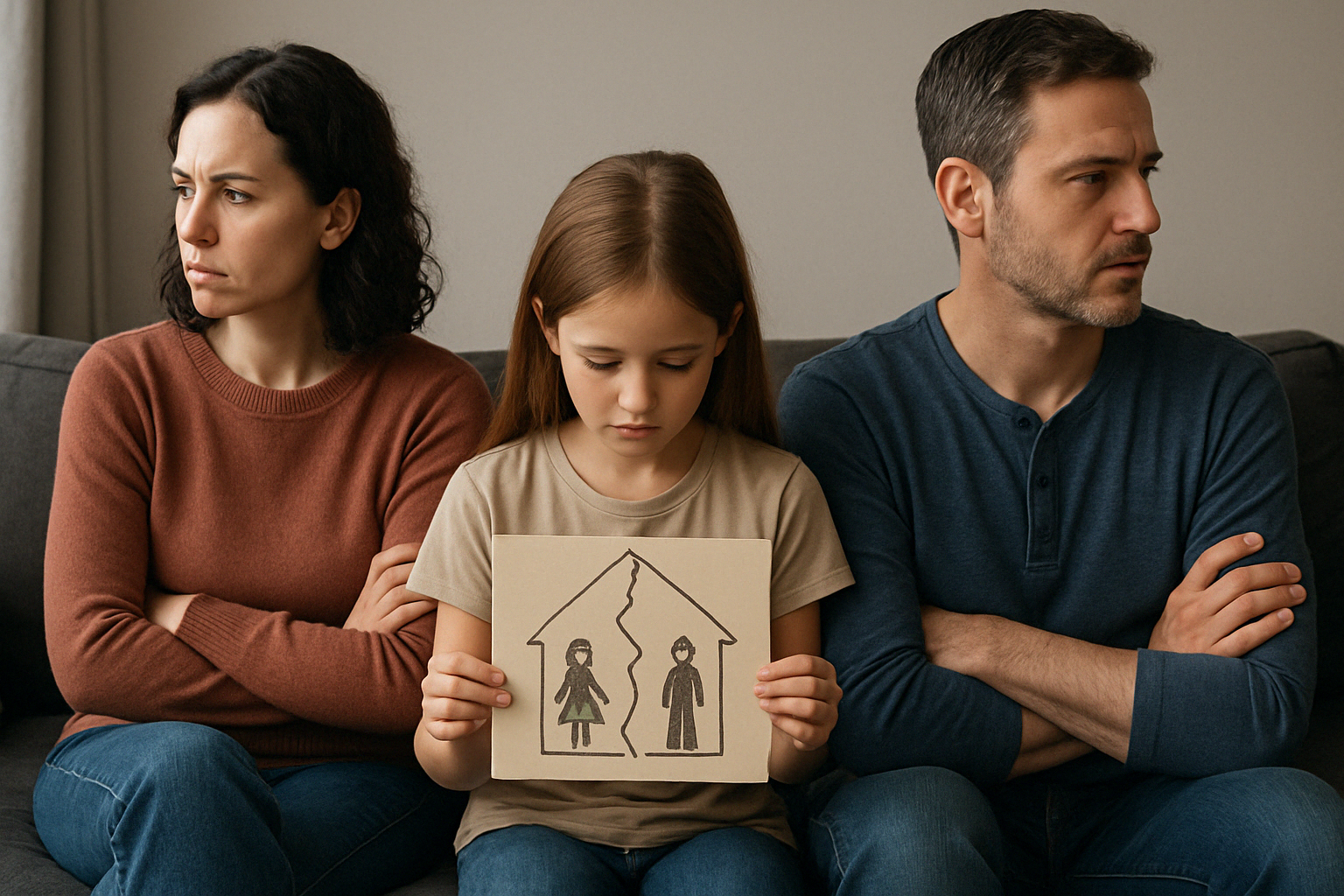
Infidelity isn’t just a private matter between two adults—it sends shockwaves through the entire family. It’s not only the betrayed partner who suffers. The emotional fallout can affect children’s sense of safety, disrupt routines, and damage relationships across the household. Many people struggle to talk about it openly, fearing judgment or not knowing how to protect their children from the pain. But the truth is: cheating affects everyone. And until we acknowledge the full impact, true healing can’t begin.
How Infidelity Damages Emotional Health, Trust, and Family Stability
When trust is broken by infidelity, the pain is more than emotional—it’s physical, mental, and relational. Partners may experience anxiety, panic, trouble sleeping, and even symptoms of trauma. Children, even without knowing the full story, pick up on tension, silence, and sadness. They may become withdrawn, act out, or feel insecure in ways that are hard to explain. The betrayal can ripple outward too—affecting communication, parenting dynamics, extended family relationships, and the emotional atmosphere of the home. It’s not just the affair—it’s the secrecy, distance, and disconnection that slowly unravel the family’s sense of unity.
From Breakdown to Breakthrough: Choosing a Path Forward After Betrayal
One evening, Emma realised something: while she couldn’t undo what had happened, she could choose how her family moved forward. She didn’t have to stay stuck in survival mode. She started setting boundaries with her partner, sought out therapy, and began talking honestly with her kids—at their level. Slowly, the tension in their home began to shift. Healing wasn’t instant, but it started the moment she chose honesty, clarity, and support over silence and shame.
Coping with Infidelity as a Family: 5 Steps to Start Healing Together
Here are 5 steps to help you and your family begin to heal after infidelity:
1. Talk to Your Kids About Infidelity in an Honest, Age-Appropriate Way
- Use calm, simple language and reinforce love and safety.
- Let them ask questions and express their emotions without fear.
2. Set Clear Emotional Boundaries to Rebuild Trust
- Define what you need to feel emotionally safe (space, honesty, transparency).
- Boundaries protect—not punish.
3. Seek Individual, Couples, or Family Therapy
- Therapy provides tools to process pain, improve communication, and support children.
- Don’t wait until things fall apart—get help early.
4. Maintain Daily Routines to Create Stability
- Kids feel safer when life is predictable.
- Stick to meals, school schedules, and bedtime rituals as much as possible.
5. Don’t Go Through It Alone: Join a Support Network
- Whether online or in-person, support groups help you feel seen and understood.
- Read, share, and connect—healing thrives in community.
Rebuilding After Cheating: Encouragement for Partners and Parents
If you’re carrying the weight of betrayal while trying to keep your family afloat, please know—you’re not failing. You’re human. Healing doesn’t happen all at once, but every step you take toward clarity, connection, and self-compassion matters. You don’t have to have it all figured out. You only have to keep showing up, one moment at a time. Your story doesn’t end with the affair. With the right support and intention, a new chapter—rooted in truth and resilience—can begin.
Infidelity and the Family: 5 Most Asked Questions Answered
How cheating affects children, what to tell them, and whether relationships can recover.
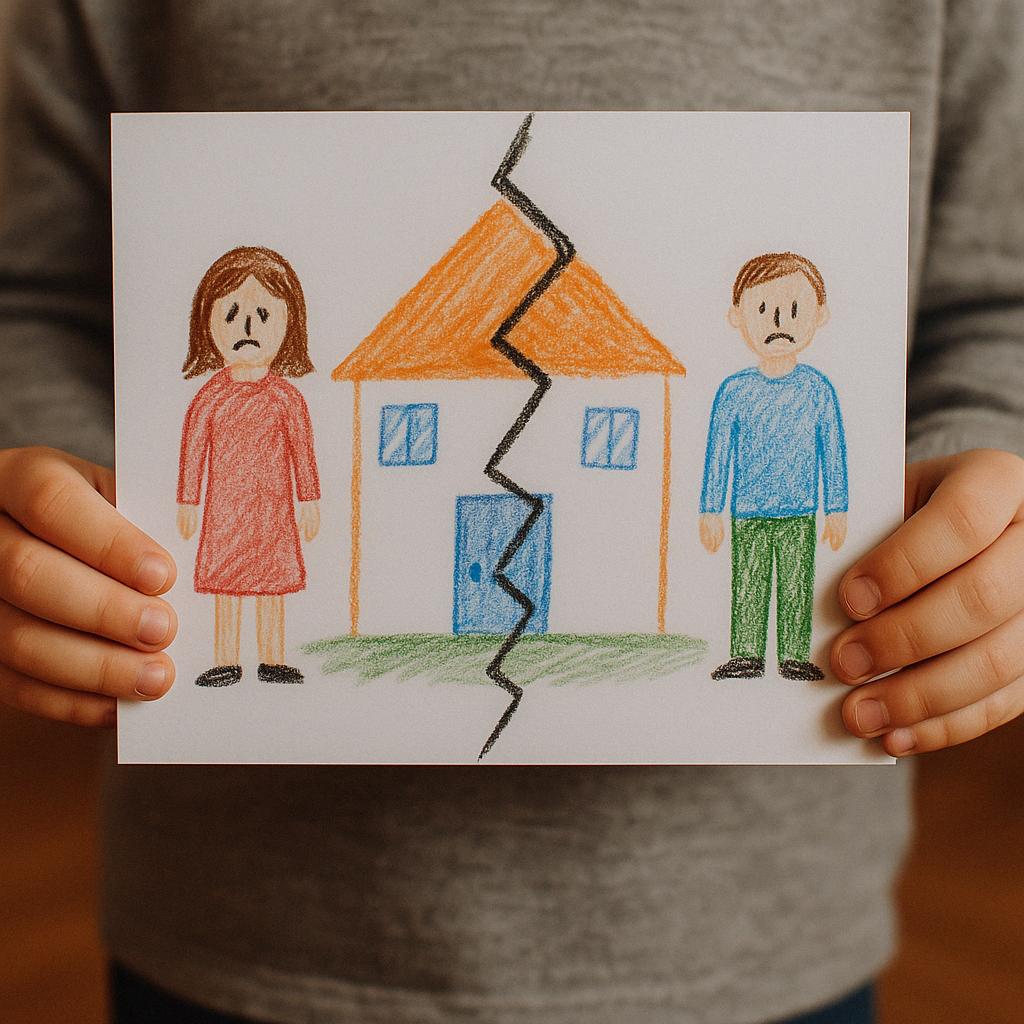
Infidelity doesn’t just affect the couple involved—it can send emotional shockwaves through the entire household. If you’re dealing with betrayal, you’re likely overwhelmed and looking for clarity, especially when children are involved.
Here are the most frequently asked questions from people navigating infidelity in a family setting—answered with compassion and insight.
1. Should I Tell My Children About the Affair?
Short answer: Yes—but gently, and age-appropriately
Children often sense when something is wrong, even if they don’t know exactly what happened. If you’re experiencing infidelity as a family, silence or secrecy can create more confusion and emotional tension.
-
Younger children need reassurance, not details:
“We’re going through a difficult time, but we both love you and you are safe.”
-
Older children and teens may require more openness, especially if they already suspect the truth. Focus on emotional honesty over specifics.
Tip: Consider talking to a therapist first. A professional can help you frame the conversation in a way that supports your child’s emotional development.
2. Can a Marriage Survive Infidelity and Still Be Healthy?
Yes—but it takes hard work, mutual effort, and time.
Many couples recover from infidelity. Some even report that their relationship becomes more honest and intentional than before. But it’s not easy—and both partners must be fully committed to the healing process.
Rebuilding trust may involve:
- Transparent communication
- Individual and couples therapy
- Boundaries and accountability
- Emotional repair, not just behavioral change
If one or both partners are unwilling to do the emotional work, the damage may become too great to mend. Either way, healing is possible—whether together or apart.
4. How Long Does It Take to Recover from Infidelity?
Healing isn’t linear—and there’s no universal timeline.
Recovery depends on:
- The depth of the betrayal
- Whether both partners commit to rebuilding
- Support systems (e.g., therapy, community)
- Whether there are children involved
For some, healing takes months. For others, years. And for many, certain emotional scars may remain even after moving on.
What matters most is progress, not perfection. Allow yourself grace, time, and space to feel and process.
5. Should I Stay for the Children’s Sake?
Only if the environment is emotionally safe for everyone.
Staying in a high-conflict, emotionally disconnected relationship “for the kids” may do more harm than good. Children need emotional stability, not forced togetherness.
Consider staying if:
- Both partners are actively working toward healing
- The home feels emotionally safe
- Trust can be slowly rebuilt
Consider separating if:
- Ongoing conflict or dishonesty is harming the family dynamic
- You’re modeling unhealthy relationship behaviors
- Emotional well-being is deteriorating for you or the children
In both paths — staying or separating — healthy, respectful parenting is possible and essential..
Healing Starts Here: A Call to Reflect, Connect, and Move Forward
If this post resonated with you, take a moment to reflect—or share it with someone who might need it.
Drop a comment below to share your experience or let us know which tip helped you the most.
Final Thoughts
Infidelity shakes the foundation of a family, but it doesn’t have to define your future. Whether you’re trying to repair your marriage or start over, your actions today can shape a more secure and emotionally healthy life for you and your childrenLorem ipsum dolor sit amet, consectetur adipiscing elit. Ut elit tellus, luctus nec ullamcorper mattis, pulvinar dapibus leo.