
The Link Between Physical Health And Mental Health
Introduction to the Mind-Body Connection
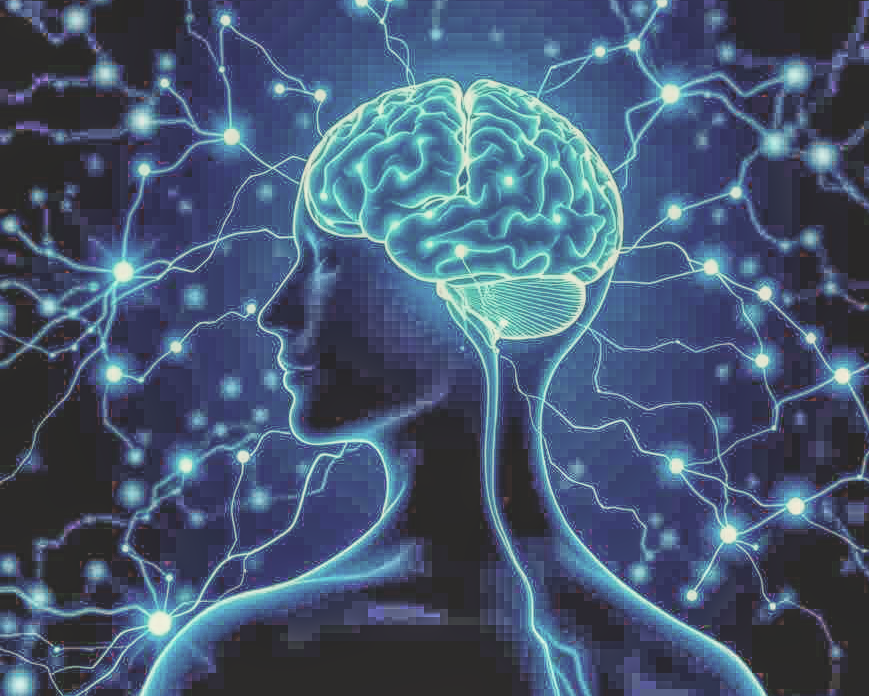
The Link Between Physical Health and Mental Health is a crucial aspect of overall well-being. Research shows that our physical health can significantly impact our mental state. Regular exercise, a balanced diet, and adequate sleep contribute not only to physical fitness but also enhance mood and reduce anxiety and depression. Conversely, poor physical health can lead to increased stress levels and a greater risk of mental health disorders. Understanding this connection is vital for developing effective strategies for maintaining both physical and mental wellness.
Exploring the Benefits of Regular Exercise
Regular exercise is one of the key components that illustrate The Link Between Physical Health and Mental Health. Engaging in physical activity releases endorphins, which are known as the body’s natural mood lifters. This not only helps reduce feelings of stress and anxiety but also promotes a more positive outlook on life. Additionally, exercise enhances cognitive function, improving memory and concentration, which can combat mental fatigue. Furthermore, maintaining a routine of physical activity fosters a sense of accomplishment and boosts self-esteem, contributing to overall mental resilience. By prioritizing regular exercise, individuals can foster a healthier mind and body, reinforcing the intricate connection between the two.
Nutrition’s Role in Mental Wellbeing
Nutrition plays a significant role in mental wellbeing, highlighting The Link Between Physical Health and Mental Health. A balanced diet rich in essential nutrients can positively influence mood and cognitive function. Foods high in omega-3 fatty acids, such as fish, walnuts, and flaxseeds, are known to improve brain health and reduce symptoms of depression. Additionally, vitamins and minerals found in fruits, vegetables, and whole grains support neurotransmitter function, which is crucial for mental health. Conversely, a diet high in processed foods and sugar can lead to inflammation and negatively impact mental clarity and emotional stability. Thus, maintaining a nutritious diet is vital not only for physical health but also for fostering better mental wellbeing.
Impact of Sleep on Emotional Health
The Link Between Physical Health and Mental Health is increasingly recognized in both research and clinical practice. Physical health directly affects mental well-being; for instance, chronic conditions such as obesity, heart disease, and diabetes can elevate stress and anxiety levels. Conversely, mental health issues can lead to neglect of physical health, resulting in a vicious cycle. Regular physical activity, a balanced diet, and sufficient sleep are essential for maintaining both physical and mental health. Engaging in exercises releases endorphins, which enhance mood, while proper nutrition provides the necessary nutrients for brain function. Addressing both aspects holistically can significantly improve an individual’s overall health and quality of life.
Understanding Stress and Its Effects
Understanding the Connection
The Link Between Physical Health and Mental Health is evident in numerous studies showing that individuals who prioritize physical wellness often experience improved mental health outcomes. Engaging in physical activities boosts endorphin levels, which can alleviate symptoms of anxiety and depression. Additionally, regular exercise contributes to better sleep, which is crucial for emotional regulation. On the other hand, poor physical health, such as chronic illnesses or lack of exercise, can lead to increased stress and a heightened risk of developing mental health disorders. By acknowledging this link, individuals can adopt healthier lifestyle choices that bolster both their physical and mental well-being, creating a balanced approach to health.
The Importance of Social Connections
The Link Between Physical Health and Mental Health is increasingly recognized as essential for overall well-being. Research shows that maintaining good physical healththrough regular exercise, balanced nutrition, and adequate sleep not only enhances physical fitness but also significantly improves mental health outcomes. Exercise releases endorphins, which help alleviate symptoms of anxiety and depression, while a nutritious diet supports brain function and emotional stability. Additionally, chronic physical health conditions can exacerbate stress and lead to mental health issues, creating a cycle that can be difficult to break. Therefore, understanding and nurturing this connection is vital for fostering both physical vitality and mental resilience.
Practical Tips for Improving Both Physical and Mental Health
The Link Between Physical Health and Mental Health is a critical area of focus for individuals aiming to improve their overall well-being. Physical health directly influences mental health, as regular exercise is shown to enhance mood, decrease anxiety, and reduce symptoms of depression. Engaging in physical activities can release endorphins, which are natural mood lifters, while also improving sleep quality and cognitive function. Conversely, poor physical health can lead to increased stress and a higher likelihood of developing mental health disorders. Therefore, adopting a holistic approach that includes maintaining physical fitness through proper diet, exercise, and sleep can significantly enhance mental wellness, creating a positive feedback loop that benefits both aspects of health.
Holistic Approaches: Integrating Mind and Body
The Link Between Physical Health and Mental Health is increasingly recognized in health research and clinical practices. Physical health and mental health are interconnected; maintaining one often positively influences the other. For example, regular physical activity can help reduce symptoms of anxiety and depression, while a balanced diet can improve mood and cognitive function. Poor physical health, such as chronic illness or pain, can lead to increased stress and emotional distress, creating a cycle that negatively impacts mental health. Furthermore, adequate sleep is essential for both physical recovery and emotional regulation. Understanding this link allows individuals to adopt comprehensive health strategies that promote both physical and mental wellness, emphasizing the need for a holistic approach to health care.
Conclusion: A Path to Overall Wellbeing
The Link Between Physical Health and Mental Health is a critical aspect of understanding overall well-being. Numerous studies demonstrate that physical health directly influences mental health, as regular engagement in physical activities can lead to improved mood and reduced anxiety. Exercise promotes the release of endorphins, which are natural chemicals in the body that enhance feelings of happiness and relaxation. Furthermore, maintaining a balanced diet rich in essential nutrients supports brain health and can mitigate symptoms of depression and anxiety. Conversely, poor physical health can exacerbate mental health issues, creating a cyclical relationship between the two. By focusing on both physical and mental wellness, individuals can foster a more comprehensive approach to health, ultimately leading to improved quality of life and emotional resilience