When Helping Hurts: The Dark Side of Kindness Without Wisdom
“They Called Me Kind. I Was Just Afraid to Speak Up.”
Ellie was the dependable one. The helper. The person everyone came to when things fell apart. When her sister relapsed, she paid the rent. When her friend needed “just one more favour,” Ellie dropped everything.
She told herself this was compassion. That love meant saying yes.
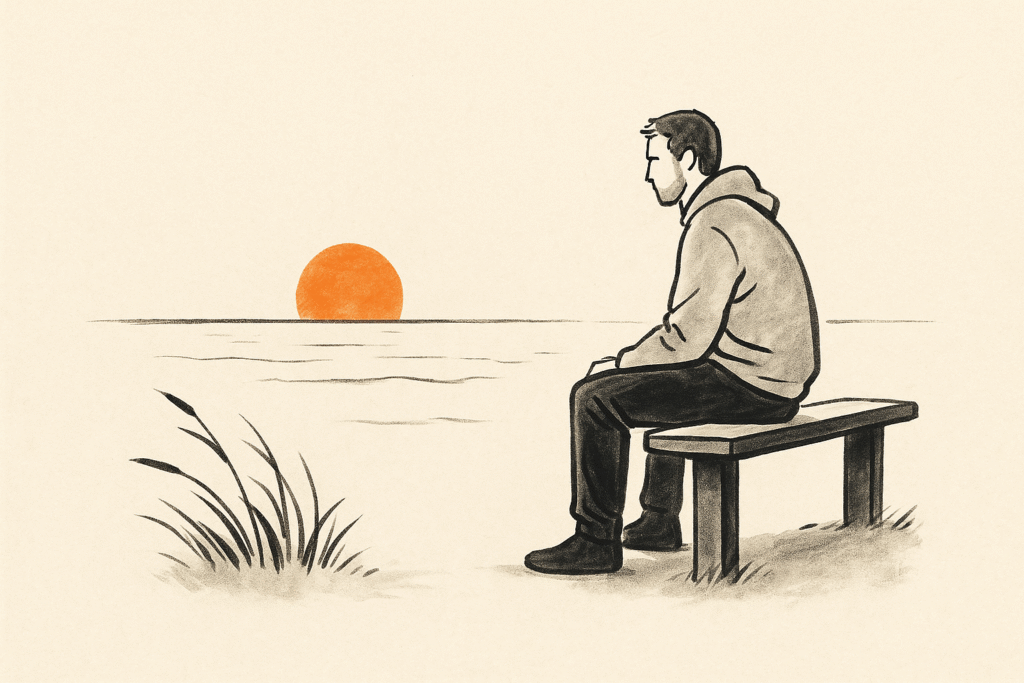
But lately, Ellie was exhausted. Not just tired — empty. The more she gave, the more people expected. And when she finally said no, she wasn’t met with understanding. She was met with silence.
That’s when it hit her. Maybe she hadn’t been helping at all. Maybe she’d just been avoiding guilt, conflict, the fear of being seen as unkind.
Her kindness looked good on the surface. But underneath, it was wearing her down.
This is a post about the danger of good intentions. About how kindness, without clarity, can quietly cause harm.
Not All Helping Is Help
We’re told to be kind. To help when we can. To say yes.
But just because something feels kind doesn’t mean it’s helpful. And just because someone thanks you, it doesn’t mean you did the right thing.
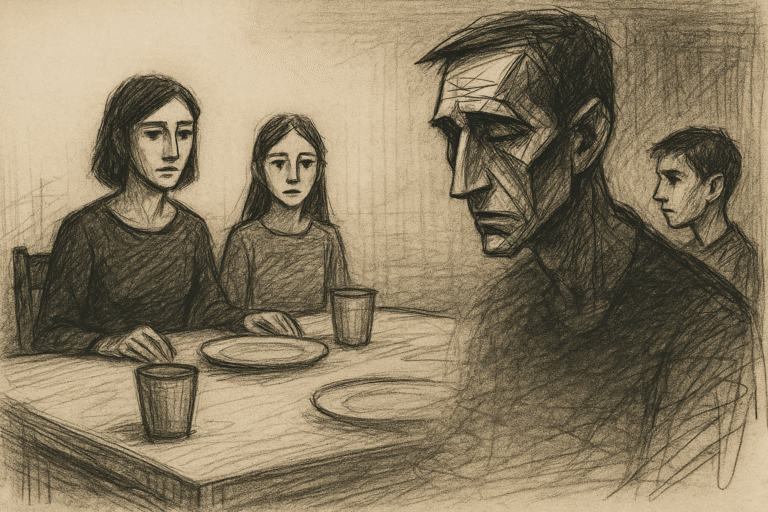
You might already know the feeling. You gave your time, your energy, your care, and the person you helped stayed the same. Or got worse. Worse still, they expected you to keep giving.
You thought you were helping. But what if you were just making it easier for them to avoid responsibility? What if your kindness was actually part of the problem?
It’s a painful realisation. Self-sacrifice can feel noble. But when it becomes a pattern, especially in relationships, it stops being compassion and starts being complicity.
Unexamined kindness can lead to quiet harm. To them. And to you.
The Emotional Cost of Misguided Kindness
At first, it just feels like being tired. You tell yourself, “I just need a break.” But it’s more than that.
You feel hollow after helping. Resentful. You say yes while quietly hoping they won’t ask again. You feel stuck in a loop: giving, fixing, rescuing, while nothing changes.
This isn’t compassion. It’s burnout disguised as virtue.
Modern psychology calls it pathological altruism: when your good intentions lead to bad outcomes, for others and for yourself. You might be enabling someone’s dysfunction. You might be stuck in codependency. You might be giving because you’re afraid of what it would mean to stop.
Carl Jung warned of this too. He said when we repress our anger to appear kind, that anger doesn’t disappear. It turns inward. Into depression. Anxiety. Exhaustion.
And Buddhism has a name for it: idiot compassion. Helping that feels nice, but reinforces harm.
Real compassion doesn’t avoid conflict. It sees clearly. It tells the truth. It draws the line.
Because compassion without boundaries isn’t compassion. It’s self-erasure
Kindness Without Discernment Isn’t Kindness
You meant well. But meaning well doesn’t always mean doing good.
This is where many people get stuck, especially those who value empathy and emotional care. They don’t want to hurt anyone. But in trying to be endlessly kind, they end up tolerating what should have been challenged.
Buddhism teaches that compassion must be awake, not sentimental. The kindest thing isn’t always the softest thing. Sometimes it’s saying no. Sometimes it’s walking away.
The Stoics knew this too. To them, kindness wasn’t softness. It was courage rooted in truth.
Even Christian thought warns of mercy without justice: kindness that turns into complicity.
Aristotle called this the error of excess. Too much giving creates weakness. Virtue, he said, lives in the middle. Where courage meets clarity.
So ask yourself:
Is this kindness, or is this avoidance?
Is this help, or is this habit?
Because without wisdom, kindness stops being kind. And starts doing harm.
How to Help Without Causing Harm
If you’ve realised your kindness might be enabling, not empowering, this isn’t a failure
It’s a turning point.
Here’s how to shift from automatic helping to wise compassion
1. Pause Before You Say Yes
Before offering support, ask yourself:
“Am I doing this because I genuinely want to… or because I feel guilty if I don’t?”
This moment of self-honesty can change everything.
2. Let People Face Their Own Consequences
You don’t need to shield others from their reality. Helping someone avoid discomfort often means protecting their dysfunction. Support doesn’t mean rescue. It means staying rooted while they learn to stand on their own
3. Stop Equating Boundaries With Cruelty
Boundaries are not rejection. They are clarity. Saying “no” doesn’t make you unkind. It makes you honest. The words might be hard, but the intention is clean.
“I care about you… and I can’t do this for you.”
4. Be Honest About Your Capacity
You’re allowed to say:
“I’m struggling too.”
“I don’t have the bandwidth for this right now.”
Pretending to be endlessly available only creates quiet resentment and false connection.
5. Ask What 'Help' Really Means
Does this action actually encourage growth, or does it keep someone dependent on you?
Helping isn’t about how it looks. It’s about what it actually does.
Kindness without wisdom can become control. Wisdom without kindness becomes cold. You need both.
You’re Allowed to Care in a Different Way
You don’t have to explain why you stopped overextending.
You don’t have to prove you’re still a “good person” just because you said no.
You’re allowed to care… without carrying.
You’re allowed to love… without losing yourself.
Kindness that costs your clarity isn’t kindness. It’s self-abandonment.
There’s nothing wrong with you for setting boundaries.
There’s nothing unloving about choosing honesty over appeasement.
There’s no shame in needing rest from emotional caretaking.
This isn’t about becoming cold. It’s about becoming clear.
True care doesn’t mean rescuing. It means respecting, both yourself and the other person.
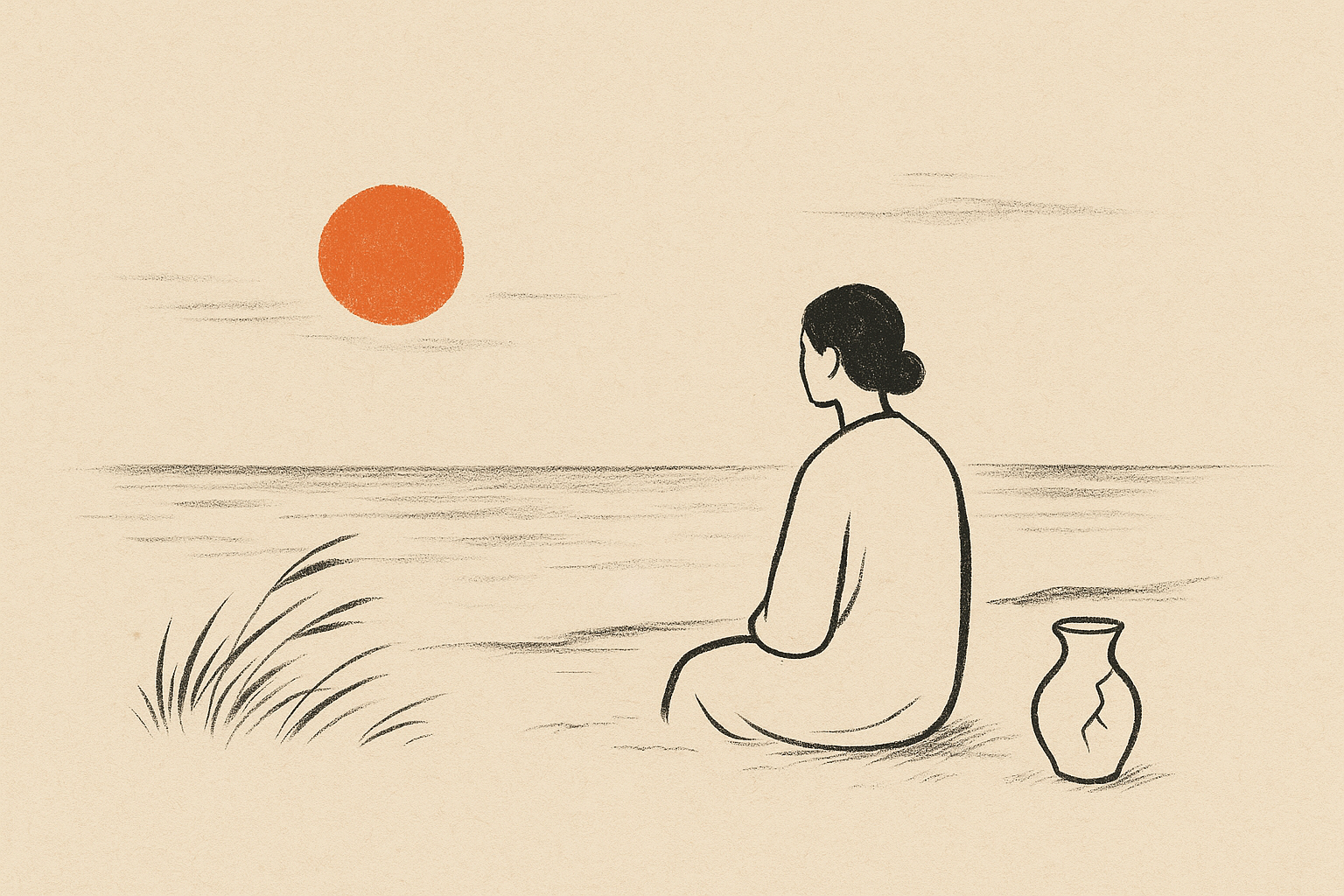
You can still be kind. But now, you’ll be kind from a grounded place.
Not from fear. Not from guilt. Not from habit.
Let’s Rethink What It Means to Help
If something in this spoke to you, pause and let it settle.
Helping isn’t wrong. Kindness isn’t the problem.
But unexamined kindness can quietly unravel you — and the people you love.
So ask yourself:
- Has “being kind” ever left you feeling worse?
- Have you helped someone only to watch them stay stuck?
- Have you said yes when you wanted to say no?
You’re not alone in that.
And here’s the truth: sometimes, saying no is an act of love.
Not just for them — but for yourself.
We don’t often talk about the emotional toll of over-giving, but many of us are carrying the quiet weight of compassion fatigue — especially those who were taught that love means self-sacrifice.
If you’ve struggled to set limits or worried that boundaries make you selfish, you’re not broken.
You’re likely just missing a model of kindness with boundaries — not without them.
You can still be compassionate. But now, it can be honest. Rooted. Free from guilt
🔶 Want to Go Deeper?
✍ Download the Free Journal
→ Wise Compassion Journal Prompts
Explore the emotional habits behind your helping instincts.