
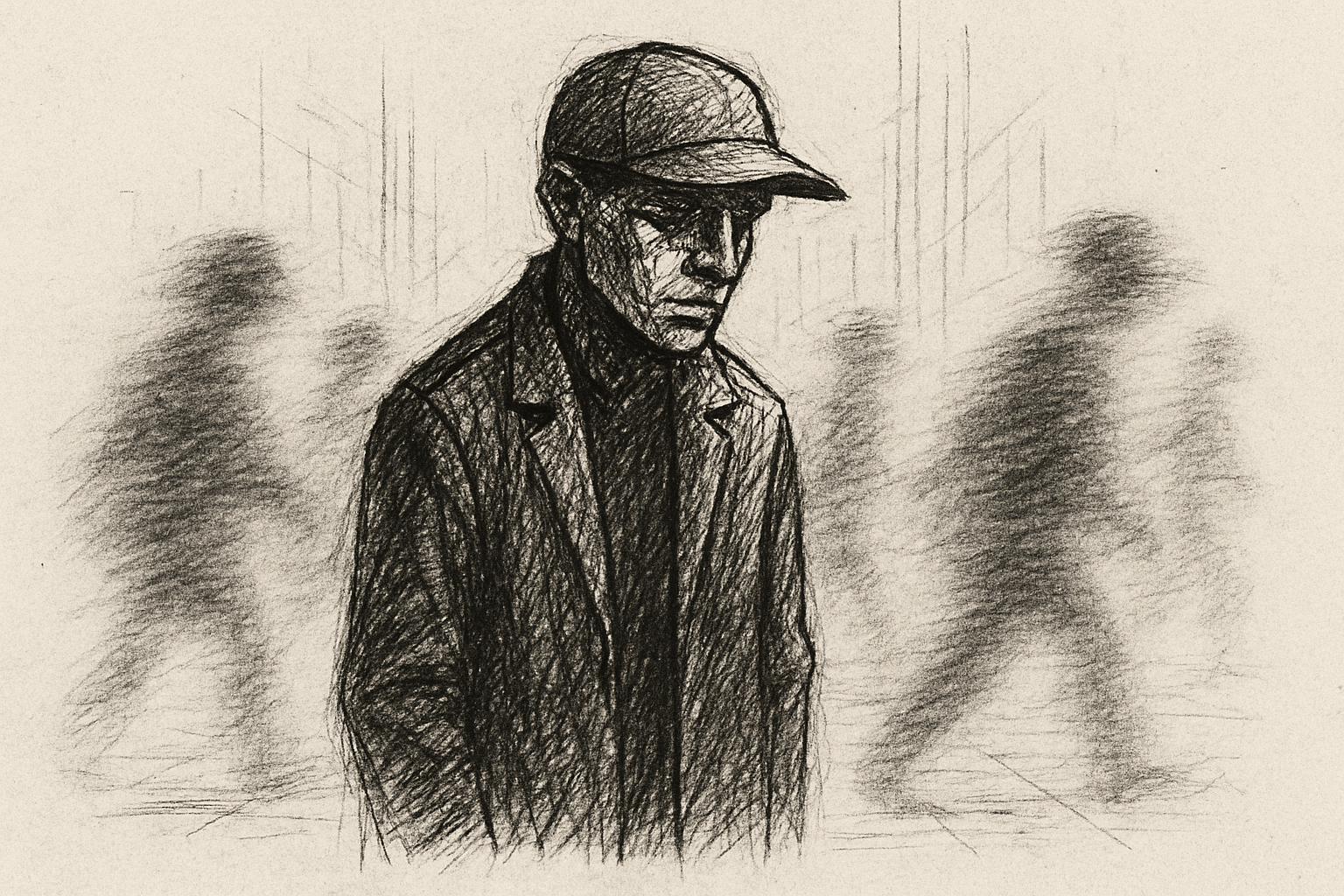
What Are We Missing? The Silent Social Toll of Mental Illness in Britain
You feel like you're coping, but your'e Alone.
Lena was diagnosed with depression two years ago. She followed every step her GP gave her—medication, therapy referrals, time off work. On paper, she did everything “right.”
But once the diagnosis came, something shifted. Friends stopped inviting her out. Her manager gave her fewer responsibilities. No one asked how she was feeling—just if she was back to “normal.”
She went to work. She answered emails. She smiled when people asked if she was okay. But every day felt quieter.
Lena didn’t want more pills. She wanted someone to stay when things got hard. She wanted to be treated like she still mattered.
If this sounds familiar, you’re not alone. The system focuses on treating symptoms but forgets the person behind them. A diagnosis doesn’t erase your need for connection. It doesn’t mean you stop needing to be seen.
Mental Illness in the UK Isn’t Just a Health Issue—It’s a Social One
Mental illness doesn’t only affect how you feel—it changes how the world treats you.
You might get a diagnosis, maybe even some treatment. But once that happens, people expect you to go back to “normal.” What they don’t see is what happens after: the missed messages, the awkward silences, the way colleagues or friends start to drift away. You’re not just managing symptoms—you’re managing distance, stigma, and isolation.
A 2022 survey by Mind found that over half of people who disclosed a mental health condition at work experienced negative treatment. That includes fewer responsibilities, less trust, or being left out. That doesn’t help you recover—it makes things harder.
You’re not failing to cope. You’re carrying more than anyone realises.
The system is built to respond to crisis. It’s not built to support long-term social recovery. It focuses on medication, not connection. On labels, not relationships. Until we change that, the social toll of mental illness in the UK will stay hidden in plain sight.
The Cost of Being Ignored
You might feel like you’re doing everything right—taking your meds, going to therapy, showing up to work. But something’s still missing. You’re functioning, but you’re not connecting. That disconnect chips away at your confidence.
When people avoid the subject or change the subject, it reinforces the idea that your experience is too much. You start to shrink your world. You stop reaching out. You begin to doubt whether anyone actually wants to understand.
A 2021 report by the Mental Health Foundation found that over 70% of people with mental illness felt socially isolated. Not because they chose solitude—but because they felt pushed to the edges.
This doesn’t just affect your mood. It affects your ability to trust, speak, and belong.
The system rewards silence. It focuses on symptoms you can measure, not the relationships you lose. Recovery without connection isn’t recovery. It’s endurance. And it wears people down.
You’re Not the Problem. The System Is.
You didn’t fail. You adapted to what was around you.
When speaking up led to silence, you stopped speaking. When support meant waiting six months, you stopped expecting help. That isn’t weakness. That’s survival.
If people expect you to bounce back quietly, they’re asking for something that isn’t real. Recovery doesn’t fit a schedule. It doesn’t come with clean lines. You’re living in a system that focuses on medication, not meaning—on symptoms, not connection.
A person can’t fully heal in a culture that punishes discomfort. That pressure to seem fine keeps people from asking for what they need. It tells you to be quiet, to perform wellness, and to keep going even when you’re empty.
You don’t have to stay quiet. The system is flawed—but people built it, and people can change it. That starts with naming what’s broken and choosing not to pretend anymore. You’re not too much. You were just told to be less.
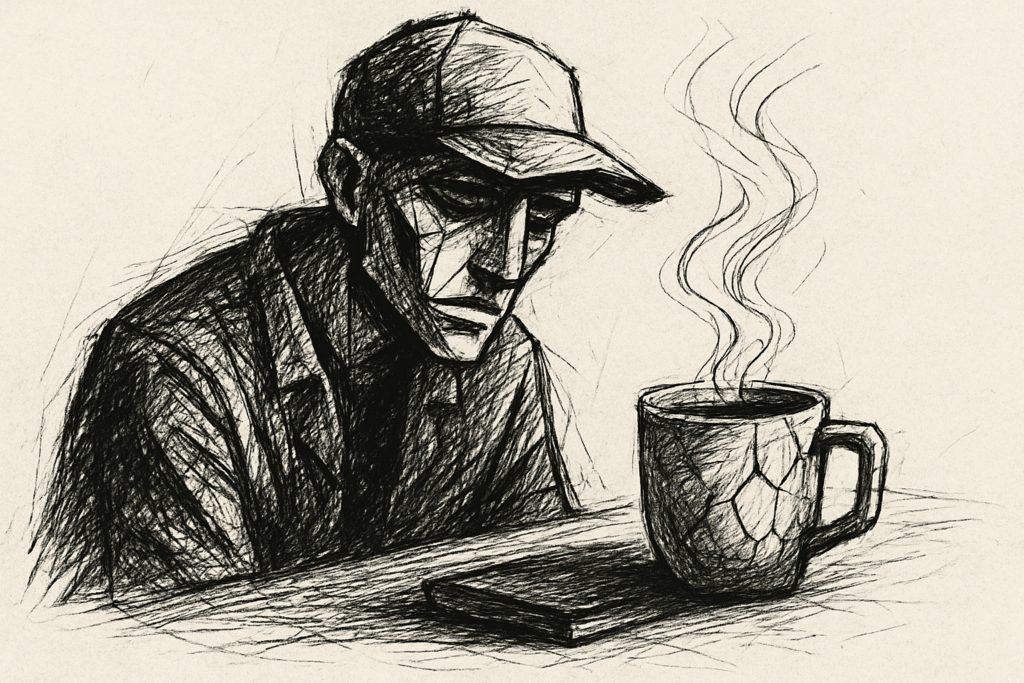
5 Small Ways to Push Back Against Isolation
Say Something Simple to Someone You Trust
Start with one sentence. “Can I tell you something I’ve been holding in?” You don’t need to explain everything. Let it be messy. Let it be unfinished. The goal isn’t to be understood perfectly—it’s to let someone know you’re still here.
Join a Quiet Community
You don’t need to walk into a room full of strangers. Try an online group like r/mentalhealthUK or Together UK. Lurk. Read. Comment when it feels safe. Belonging starts by seeing people who feel like you.
Use Media to Feel Seen
Watch a film or read a novel where someone goes through what you’re facing. Highlight one line that lands. Write it down. Let stories remind you that your pain has been felt before.
Claim Your Space at Work
You have legal rights under the Equality Act. Ask for flexible hours, quiet time, or written instructions. You don’t need to prove you’re struggling to earn support.
Make One Ritual for Reconnection
Pick one action that doesn’t drain you: a five-minute voice note, a solo walk with music, or writing “Today I felt…” in a notebook. Small routines rebuild trust with yourself.
Why These Small Acts Matter
Isolation doesn’t always come from choice. Often, it grows when the world stops responding. When people treat your mental illness like a phase or a problem to be managed, you start to believe that asking for connection is too much.
But disconnection isn’t just emotional—it’s structural. The system rewards silence. It shortens appointments, underfunds care, and overlooks your daily life. These small acts aren’t just self-care. They’re quiet acts of resistance against a system that treats people as cases, not humans.
Every time you reach out—even to yourself—you’re choosing visibility. That choice matters.
You Deserve to Be Seen—As You Are
You don’t need to be fixed to be worthy. You are allowed to feel exhausted. You are allowed to stop performing. There’s no gold star for hiding your pain.
Your struggles are real. Your history matters. You survived things that changed you, and you’re still showing up. That counts.
The idea that you must be “better” to be included comes from systems built around productivity, not humanity. When recovery is measured by how quickly you return to work, your emotional life gets erased. The standard isn’t wellness—it’s convenience. That standard doesn’t reflect your value. It reflects how much discomfort society is willing to tolerate.
What would it look like to stop apologising for being real? What if your story didn’t need to be polished to be heard?
You still matter. Even on the days you’re quiet. Even when it feels like no one sees you. You’re here. That’s enough.
Start With One Step That Makes You Feel Real
If this spoke to you, share it with someone who might understand.
Bookmark it for the days you feel invisible.
Leave a comment: What do you wish people understood about your experience?
Every small act is a step toward connection. When you speak, even quietly, you challenge the idea that mental illness should stay hidden. The systems around you may not be built for honesty—but you don’t have to shrink yourself to fit them.
Change doesn’t start at the top. It begins when people stop pretending. When they name what’s real. When they choose not to disappear.
You don’t need to fix everything today.
You just need to do one thing that reminds you you’re still here.
Take a Moment. Speak. Share.
Reflect. Leave a comment. Or send this to someone who needs to hear it.
You never know who’s waiting to feel less alone.